Thank you to our supporters as well as our anonymous donors!





Patient voices, public health perspectives, and priorities for improving Valley Fever diagnosis, treatment, education, and support.
Date: Wednesday, August 19, 2026
Location: UC Davis
Presented in conjunction with: 2026 Coccidioidomycosis Study Group Meeting
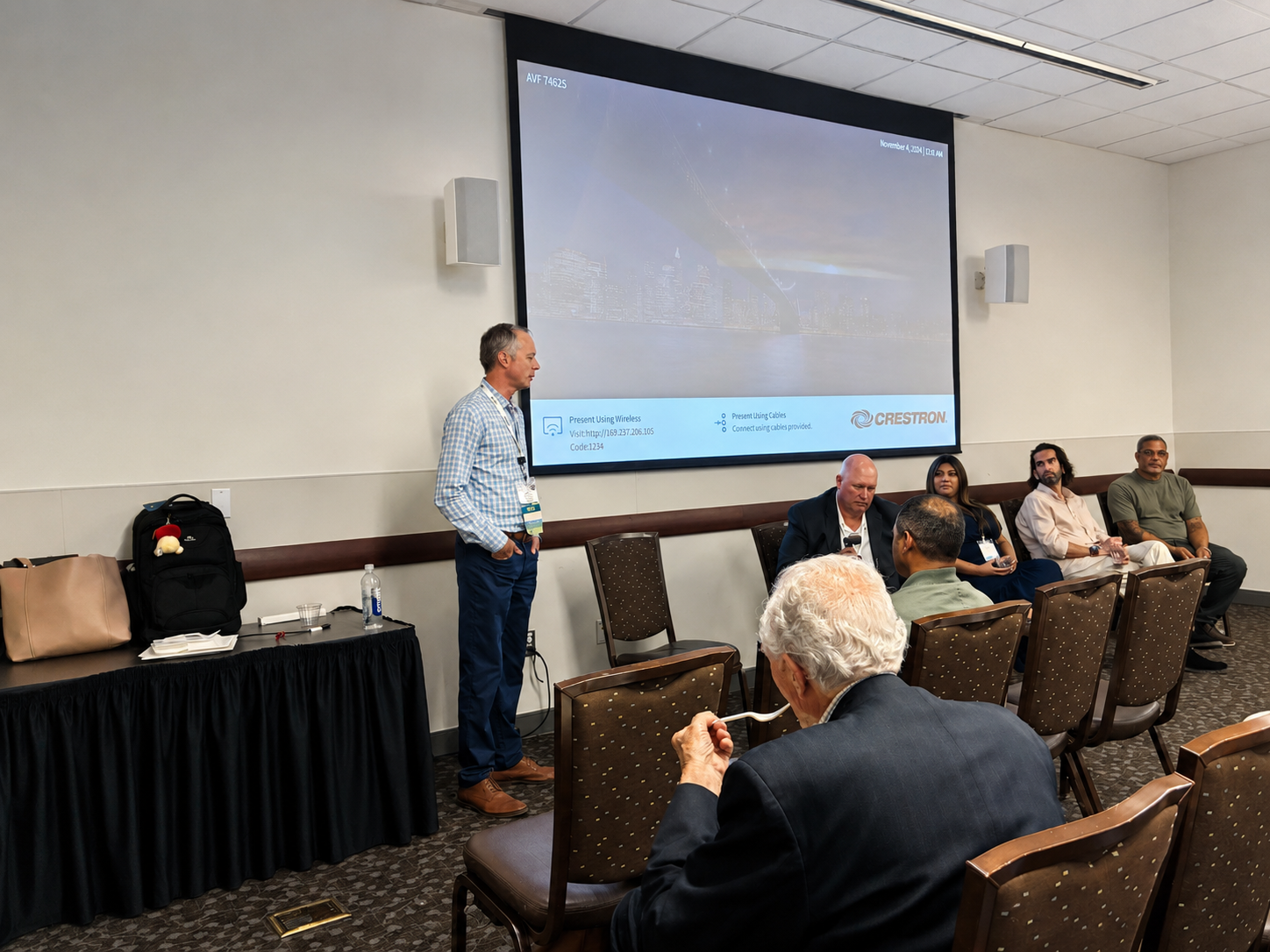
On Wednesday, August 19, 2026, MyCARE Foundation’s Rob Purdie led a patient-focused panel examining the challenges of living with disseminated coccidioidomycosis, or Valley Fever.
Moderated by G.R. Thompson III, MD, of UC Davis, the session brought together patients Thomas Earl Hall, Jr., of Sacramento Valley Fever Survivors & Awareness, and Jose Jaime Gonzalez, along with Bianca Torres, research coordinator at the Valley Fever Institute at Kern Medical.
Together, they shared firsthand experiences with diagnosis, treatment, and the challenges patients face across the continuum of care for disseminated coccidioidomycosis.
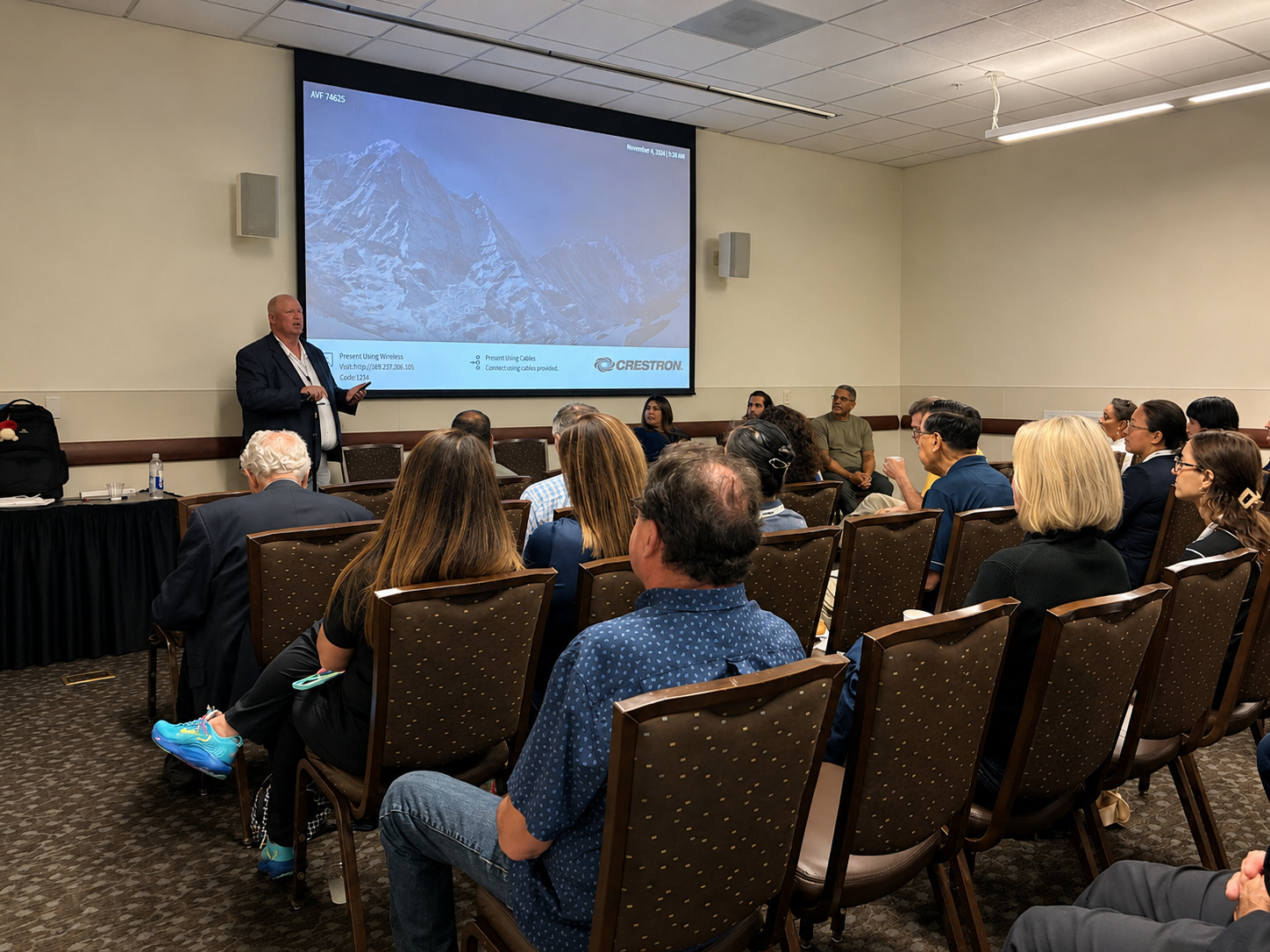
Approximately 40 people attended the session, held on the UC Davis campus in conjunction with the 2026 Coccidioidomycosis Study Group Meeting.
The larger meeting convened researchers, clinicians, epidemiologists, and other experts to discuss advances in coccidioidomycosis epidemiology, diagnostics, treatment, and disease management. The patient and public-health discussion added an essential perspective by showing how gaps in diagnosis, treatment, education, and support are experienced by the people living with the disease.
Patient stories illustrated just how challenging the Valley Fever diagnostic journey can be. Participants described prolonged periods of illness before receiving an accurate diagnosis, underscoring the continuing need for clinicians to consider coccidioidomycosis earlier, particularly in patients with compatible respiratory symptoms and relevant geographic exposure.
Patients also described the challenges of managing medication side effects and the broader functional impact of a disease that can affect the skin, brain, skeletal system, and other organs.
The broader discussion included perspectives from Gail Sondermeyer Cooksey of the California Department of Public Health (CDPH), Dona Love, PhD, of the National Institute of Allergy and Infectious Diseases (NIAID), and Mitsuru Toda, PhD, of the Mycotic Diseases Branch of the Centers for Disease Control and Prevention (CDC).
Participants discussed both the progress that has been made and opportunities to strengthen awareness, clinician and patient education, Spanish-language resources, research, public-health partnerships, and coordinated outreach.
Current diagnostic limitations can contribute to uncertainty and delays. Improving the availability, performance, and appropriate use of diagnostic testing will be important to shortening the path from symptoms to diagnosis and helping patients receive appropriate care sooner.
Even improved diagnostic tools cannot help patients if clinicians do not suspect coccidioidomycosis and order appropriate testing. Greater education of healthcare professionals, especially those evaluating community-acquired pneumonia and patients who live in, previously lived in, or have traveled through endemic areas, remains essential.
For patients living with disseminated Valley Fever, the burden extends far beyond the initial diagnosis. Patients described pain, fatigue, decreased function, medication side effects, prolonged treatment, and financial and personal consequences. Their experiences emphasized the importance of self-advocacy and of finding healthcare providers who understand the disease, listen to patient concerns, and are prepared to support them over the long term.
“When you hear directly from patients about the years they may spend searching for a diagnosis and the ongoing impact of disseminated Valley Fever on their lives, it becomes very clear where we need to do better. Better diagnostics and better clinician education are essential—but so is listening to patients and making sure their experiences help shape the research, education, and care that come next.”
— Rob Purdie, MyCARE Foundation