

Lessons Learned About Fungal Infections
An Aspergillus Lung Infection
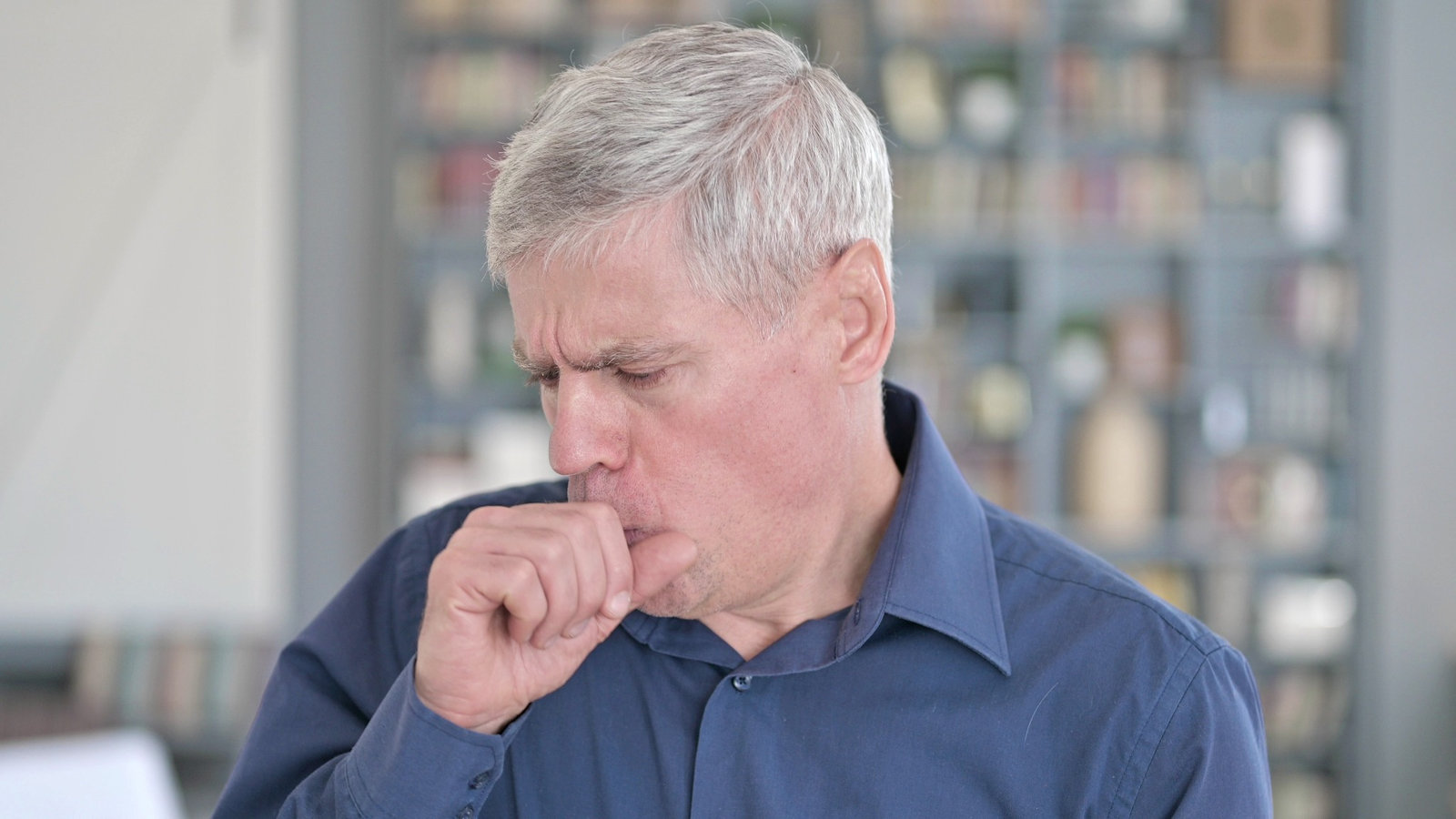
Illustrative composite scenario. Quoted words are illustrative, not a real veteran’s testimonial.
The story
A challenging diagnosis

A veteran with a history of lung disease developed worsening cough, shortness of breath, and fatigue. Despite multiple rounds of antibiotics and inhalers over many months, the symptoms did not go away. Imaging showed a mass-like area in the lung, raising concern for cancer. Further testing, including bronchoscopy and laboratory studies, identified a chronic pulmonary Aspergillus infection.
“It was a relief to finally have an answer. They thought it might be cancer, but the tests showed it was a fungal infection.”
Illustrative veteran perspective—not an actual testimonial

About Aspergillus infections
Understanding the infection
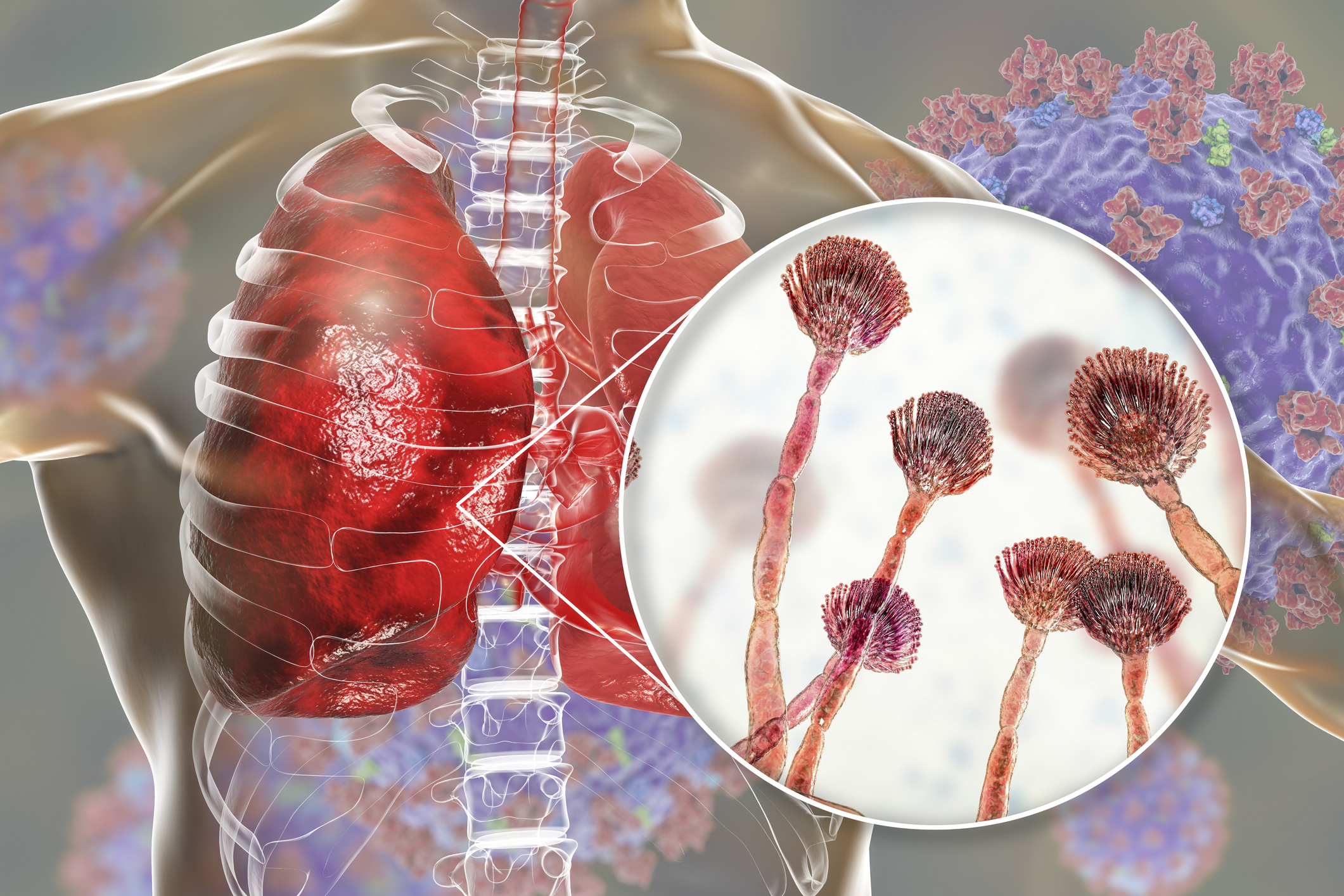
Medical illustration of pulmonary aspergillosis; not a clinical image from this patient story. Different forms of aspergillosis affect the lungs in different ways.
Aspergillus infections can result from inhaling spores from the environment (e.g., soil, compost, construction, or decaying material). They can cause a range of illnesses, from allergic reactions to chronic lung infections.
These infections are more common in people with underlying lung disease or weakened immune systems. Symptoms can mimic other conditions, including bacterial pneumonia or cancer. Early recognition and appropriate testing are important for the right diagnosis and treatment.

Lessons from this experience
What this experience teaches us
Consider fungal infection when respiratory symptoms persist or do not improve.
Imaging findings may look like cancer or other diseases.
Specialized testing, such as cultures, antigen tests, or molecular tests, can help confirm the diagnosis.
Treatment often requires long-term antifungal medication and monitoring.
A multidisciplinary team (e.g., infectious disease, pulmonology, and sometimes surgery) can improve outcomes.


Tips for veterans and caregivers
Useful information to share with your care team

Be aware of exposure risks (e.g., dust, mold, construction, farming, or outdoor activities).
Tell your healthcare provider if symptoms are not improving with standard treatment.
Ask about fungal testing when appropriate.
Tell your healthcare provider about previous lung problems, immune system conditions, and medications that may weaken your immune system.
Keep track of symptoms, test results, and medications.
THE MOST IMPORTANT POINTS
Key takeaways

Four things to remember from this experience.
Persistent symptoms warrant further evaluation.
Do not ignore ongoing respiratory symptoms.
Fungal diagnostic testing helps identify the cause.
Your care team may use fungal cultures, antigen tests, or molecular tests along with imaging and your medical history.
A team approach improves outcomes.
Infectious disease and pulmonary specialists can help guide treatment.
Long-term management may be needed.
Ongoing monitoring and support can improve quality of life.
Every veteran’s experience is unique. This is a discussion aid, not a symptom checklist, diagnostic tool, or testing protocol. Ask your healthcare provider what symptoms should prompt urgent medical care. For more information about fungal infections, visit fightfungus.org.