

Lessons Learned About Fungal Infections
A Fusarium Wound Infection
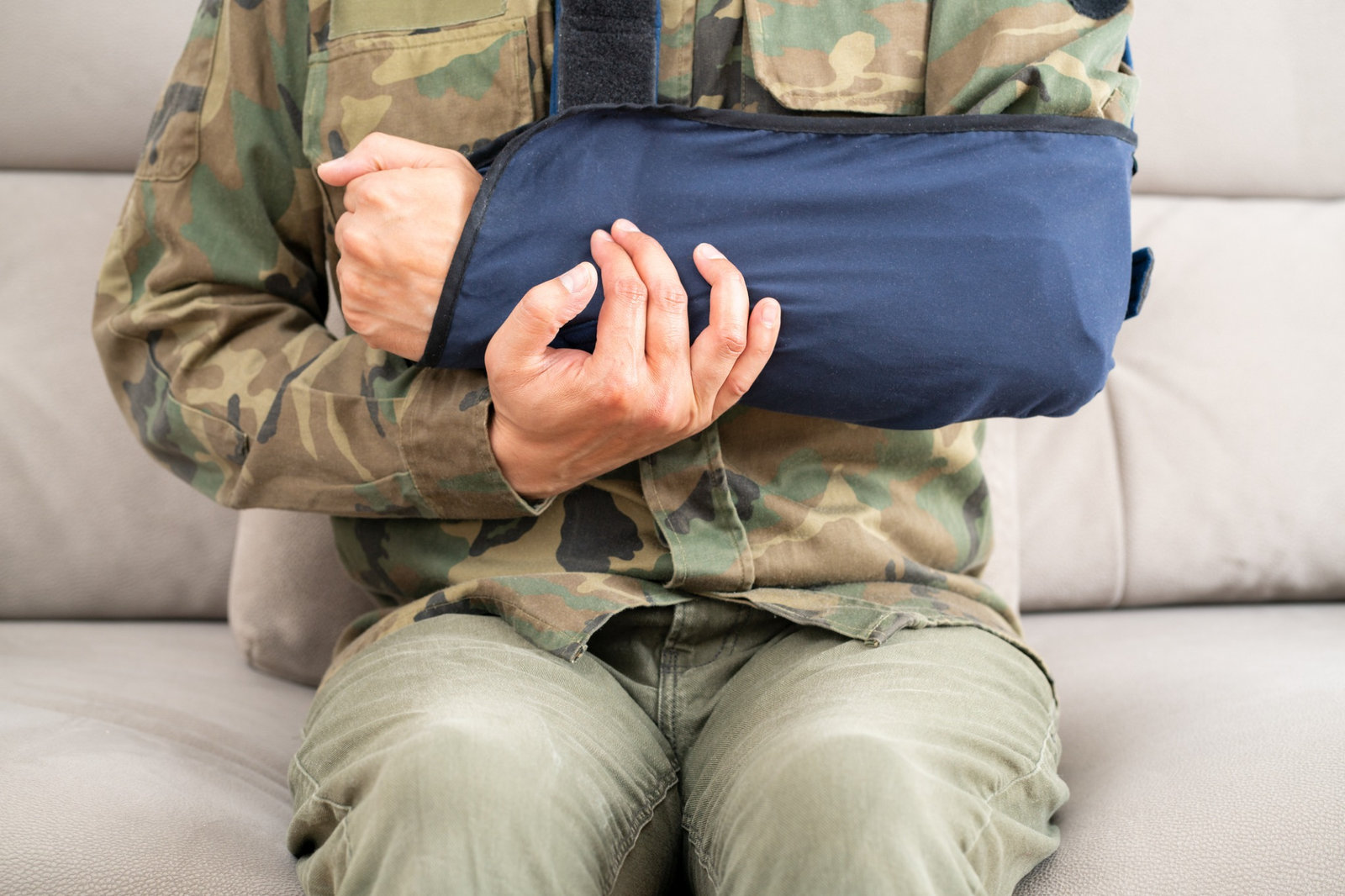
Illustrative composite scenario. Quoted words are illustrative, not a real veteran’s testimonial.
The story
A deployment-related injury leads to an unexpected infection
During a deployment, a veteran sustained a traumatic arm wound contaminated with soil and debris. Despite initial treatment and antibiotics, the wound did not heal and became increasingly painful with areas of skin breakdown.
“I thought it was just a slow-healing wound, but it kept getting worse.”
Illustrative veteran perspective—not an actual testimonial

About Fusarium infections
Understanding the infection

Microscopy image showing mold hyphae. This image is illustrative and does not establish the identity of Fusarium in the patient story.
Fusarium is a group of fungi found in soil, water, and plants. It can cause infections of the skin and soft tissues, including after traumatic injuries, and sometimes spread elsewhere in the body.
Fusarium infections can be difficult to treat because some species are resistant to multiple antifungal medications. Care may require a combination of antifungal treatment, specialized wound care, and surgical procedures.

Lessons from this experience
What this experience teaches us
Consider fungal infection when a wound is not healing as expected.
Early and accurate diagnosis can prevent further tissue damage.
Treatment may require prolonged antifungal therapy and specialized care.
Persistence, advocacy, and a multidisciplinary team are important.
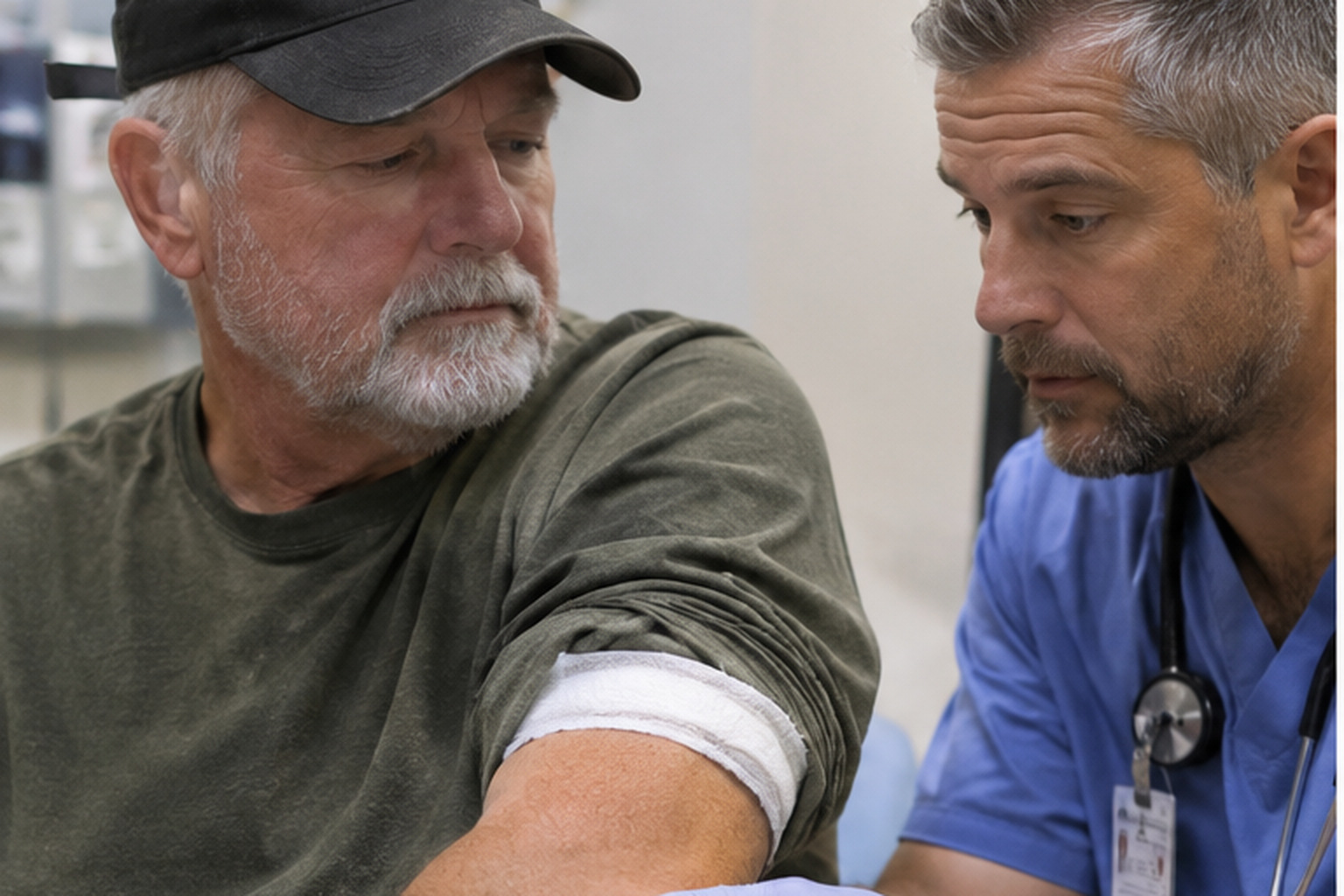

Tips for veterans and caregivers
Useful information to share with your care team
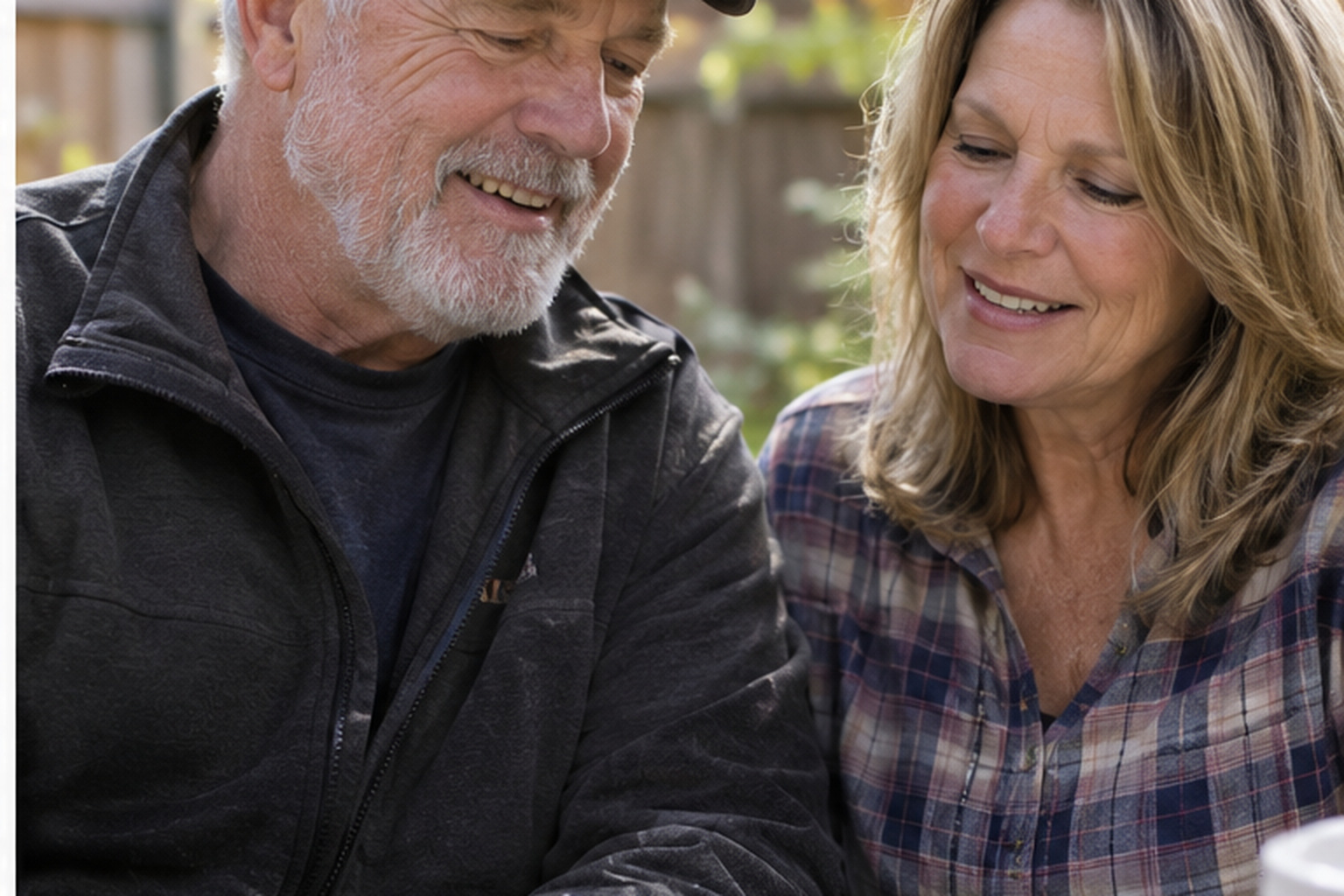
Monitor wounds closely, especially after exposure to soil, water, or plant material.
Speak up if a wound is not improving or is getting worse.
Ask about fungal infection as a possible cause.
Work with a care team that includes infectious disease and wound care specialists.
Keep a record of symptoms, treatments, and test results.
THE MOST IMPORTANT POINTS
Key takeaways

Three things to remember from this experience.
Early recognition matters.
A non-healing wound after environmental exposure should raise concern for fungal infection.
Specialized testing is needed.
Fungal cultures, molecular tests, and pathology help identify the cause and guide treatment.
A team approach leads to better outcomes.
Infectious disease, surgery, and wound care specialists can help manage complex infections.
Every veteran’s experience is unique. This is a discussion aid, not a symptom checklist, diagnostic tool, or testing protocol. Ask your healthcare provider what symptoms should prompt urgent medical care. For more information about fungal infections, visit fightfungus.org.