

Lessons Learned About Fungal Infections
A Histoplasmosis Experience

Illustrative composite scenario. Exposure details and quoted words are illustrative, not a veteran’s testimonial.
The story
A shared exposure
In this illustrative scenario, a couple visited their son in the Ohio River Valley and helped him do some interior and exterior work on his new vacation house in the woods. Both later developed fever, fatigue, cough, and body aches that did not improve. They told their healthcare provider where they had traveled, which sites they had visited, and that they had become ill after the same trip. Testing confirmed disseminated histoplasmosis, meaning that the infection had spread beyond the lungs. Further evaluation was needed to identify the affected organs and guide care.
“We never imagined that a family trip could lead to a serious fungal infection. Getting the right diagnosis made all the difference.”
Illustrative patient perspective—not an actual testimonial

About histoplasmosis
Understanding the infection
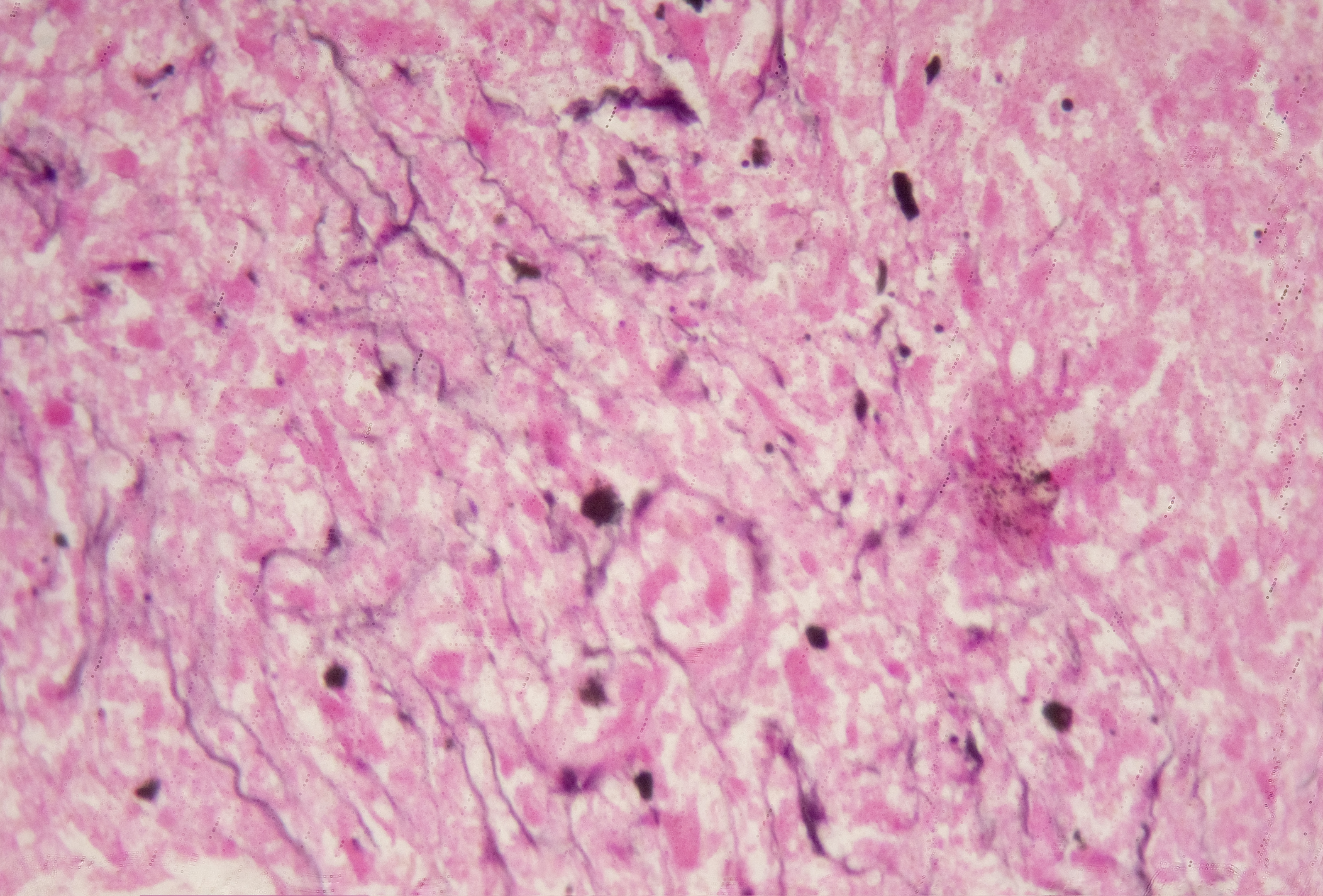
Educational illustration of histoplasmosis. Not a clinical image from this illustrative patient story.
Histoplasmosis is caused by inhaling spores from soil often contaminated with bird or bat droppings. It can cause a range of illnesses, from mild respiratory symptoms to severe, disseminated disease.
Histoplasmosis may affect the lungs but can also spread to other organs (e.g., liver, spleen, bone marrow). It is most common in certain geographic areas, including river valleys and areas with caves, old buildings, or construction. Known hotspots exist all around the world. Early recognition and treatment are important, especially when illness persists or worsens.

Lessons from this experience
What this experience teaches us
Environmental exposures matter—even for healthy people.
Persistent symptoms warrant further evaluation.
Histoplasmosis can mimic other illnesses, so testing is important.
Disseminated infection can occur and requires prompt antifungal treatment.
A multidisciplinary team and close follow-up can improve outcomes.
Support from family and caregivers is vital during recovery.

Tips for veterans and caregivers
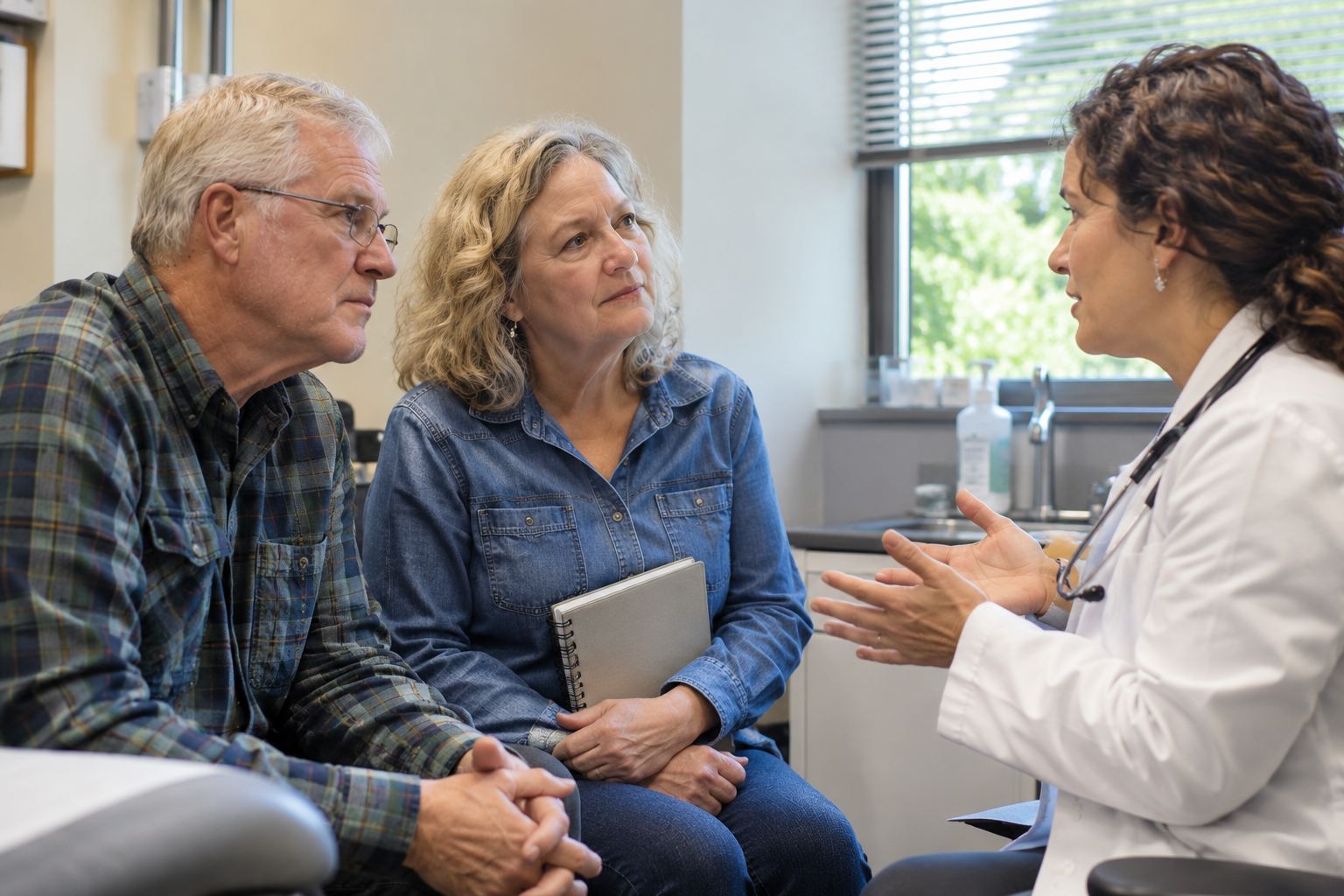
Useful information to share with your care team

Be aware of exposure risks (e.g., caves, barns, demolition sites, or areas with bird or bat activity).
Tell your healthcare provider about travel and environmental exposures.
Ask about fungal testing if symptoms persist or are not improving.
Work with a care team experienced in fungal infections.
Support each other. Multiple people can be affected after the same exposure.
THE MOST IMPORTANT POINTS
Key takeaways

Five things to remember from this experience.
Consider histoplasmosis in persistent respiratory or systemic symptoms, especially after travel or environmental exposure.
Diagnostic testing is essential.
Imaging, antigen tests, or fungal cultures can confirm the diagnosis.
Antifungal treatment can be life-saving.
Early and appropriate therapy improves outcomes.
A team approach makes a difference.
Infectious disease specialists and other experts can help guide care.
Patient and caregiver support matters.
Sharing experiences can raise awareness and help others seek care sooner.
Every veteran’s experience is unique. This is a discussion aid, not a symptom checklist, diagnostic tool, or testing protocol. Consult a healthcare provider for symptoms that should prompt urgent medical care. For more information about fungal infections, visit fightfungus.org.