Four clinical scenarios. Real-world diagnostic and management decisions.
Explore how military and geographic exposures, host factors, diagnostic tests, and timely treatment can change the course of fungal disease. Each fictional scenario is designed for healthcare professional education.
ABOUT THE COURSE
Practice recognizing fungal infections when the clues are easy to miss.
Work through four cases featuring progressive disclosures, diagnostic decisions, management questions, answer explanations, and supporting references. The cases are fictional and contain clinically plausible educational findings; they are not accounts of real patients.
Learning objectives
Recognize clinical presentations and risk factors for fungal infections in veterans.
Use military, environmental, and medical histories to inform the diagnostic evaluation.
Identify appropriate testing and time-sensitive management considerations.
Apply lessons from the four cases to support earlier recognition and patient-centered care.
HOW TO COMPLETE THE ACTIVITY
How to use this course
01
Review the four cases
Work through each case in sequence, including the patient history, diagnostic findings, and management choices.
02
Consider the questions
Make a clinical decision at each point, then review the explanation and references.
03
Complete the posttest
Answer seven questions. At least 6 of 7 correct answers (80% minimum) are required for a certificate; review and retake if needed.
04
Submit the evaluation
After the posttest, please complete our separate course evaluation to help improve future educational activities.
THE FOUR CLINICAL CASES
Explore the cases
Select a case below to open its full clinical scenario. Start with Marcus and work through the four cases in order.
CASE 01 · TRAUMA-ASSOCIATED FUNGAL INFECTION
Marcus R.
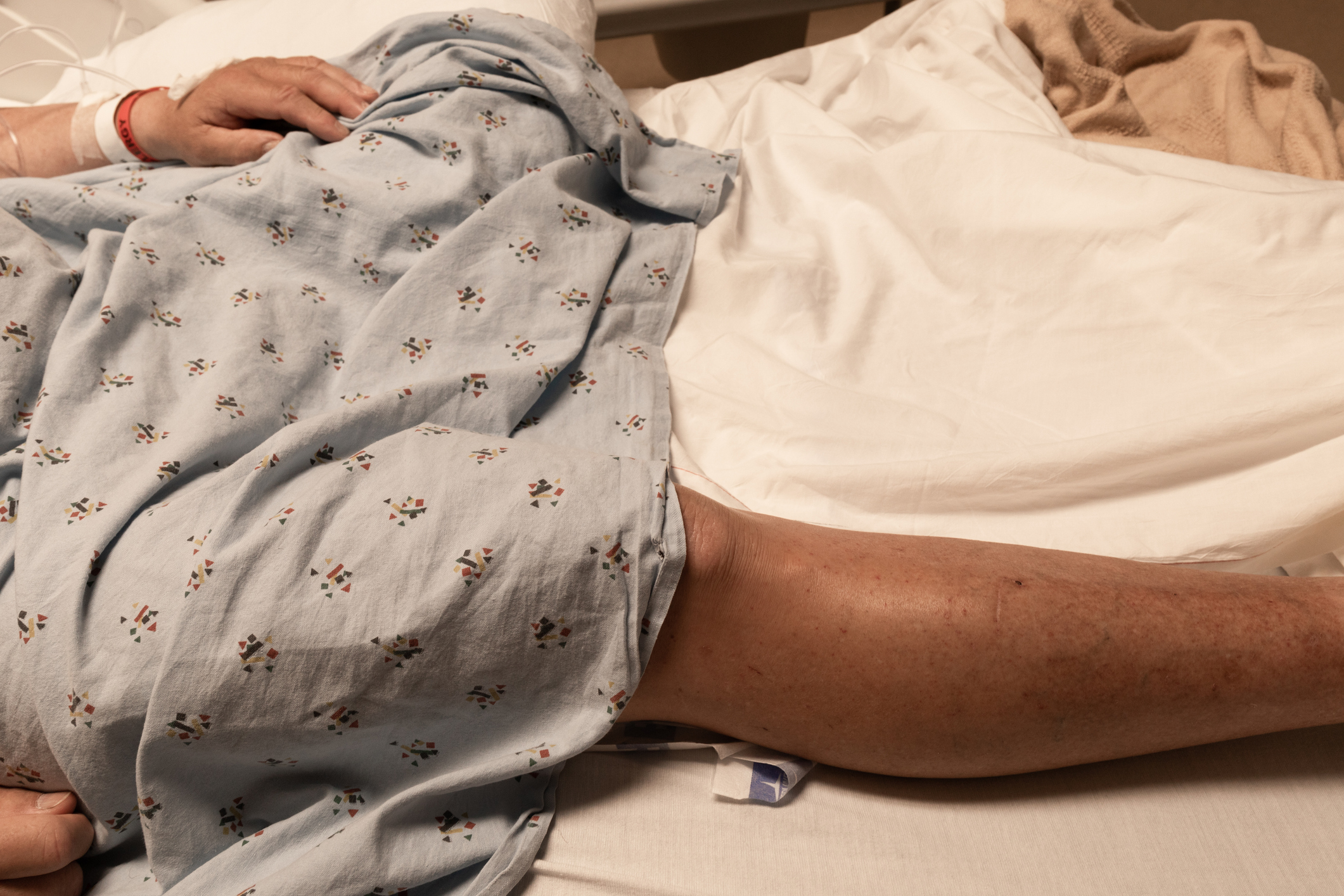
A Combat Wound That Won’t Heal
Following a blast injury and soil-contaminated wounds, new tissue necrosis raises concern for invasive fungal infection.
Deep tissue diagnosis · Surgical source control · Antifungal therapy
After reviewing all four clinical cases, complete the seven-question posttest. Learners who answer at least 6 of 7 questions correctly (a score of 80% or higher) will receive a personalized MyCARE Foundation Certificate of Completion by email, documenting 1.0 hour of educational participation. If you do not pass, review the cases and retake the posttest.
After the posttest, please complete our brief, separate course evaluation. Your feedback helps MyCARE Foundation improve future educational programs. The evaluation is requested but is not required for certificate delivery.